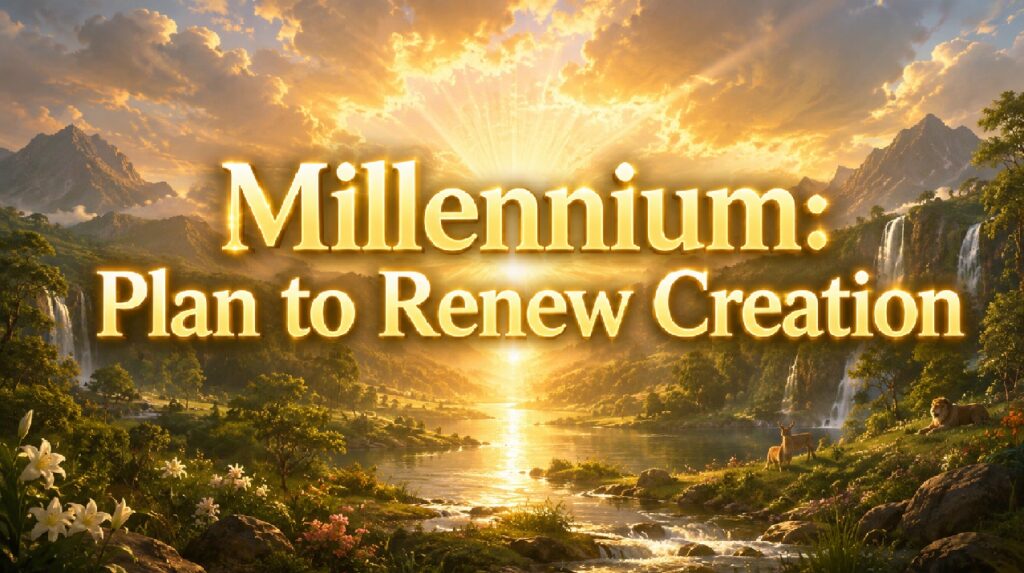
One of the most prevalent themes in the Bible is to teach how God accomplishes His purposes in an orderly sequence, not all at once. Throughout Scripture, God is revealed as a God of order, not confusion (1 Cor. 14:33). His purposes unfold according to His wisdom and appointed times. Just as there was an order to creation, there is an order to redemption, resurrection, judgment, and restoration. This principle is shown throughout Scripture—from original creation itself to the resurrection and life of the Kingdom age to come. The first stage of which will be the millennial, 1,000 year reign of Jesus with his church. This is not an unnecessary interval but a pivotal stage in God’s orderly plan to restore the whole of His creation and finally bring everything under His authority. “So that God may be all in all,” as Paul explains most clearly in 1 Corinthians 15:20–28.
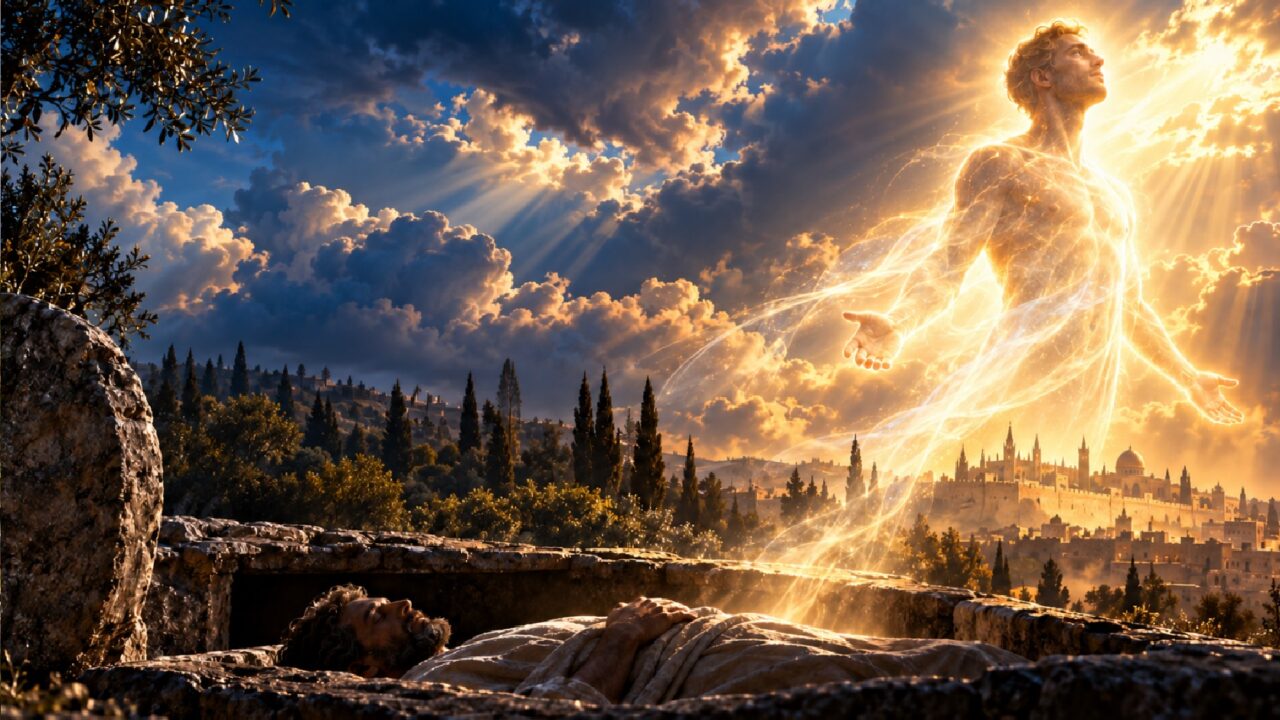
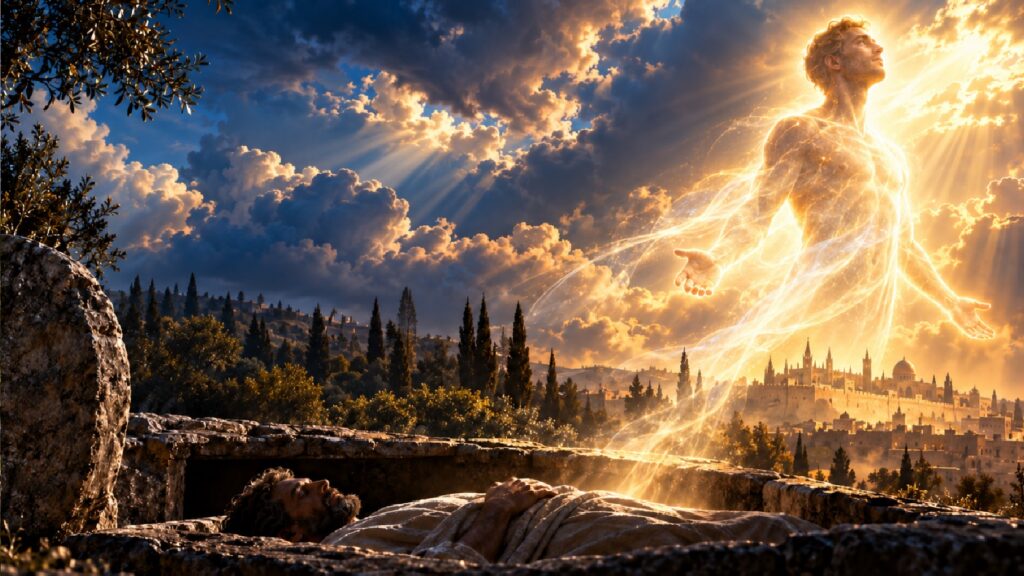
The sequence begins with Messiah as the “firstfruits” of those raised from the dead (v. 20), guaranteeing the resurrection of those who belong to him. Yet Paul immediately emphasizes that the resurrection follows a divinely appointed order:
“Each in his own order (tagma): Christ the firstfruits, afterward those who belong to Christ at his coming” (1 Cor. 15:23).
The Greek word tagma denotes an arranged order, rank, or sequence of events. God’s work unfolds according to His appointed plan. Paul then describes what will happen at the parousia, the coming return of Jesus:
“For he must reign until he has put all his enemies under his feet. The last enemy to be abolished is death” (1 Cor. 15:25–26).
This statement is crucial. Christ does not return and immediately abolish death. Rather, he must reign until every enemy has been subdued. Only then is death—the final enemy—destroyed. After that, Christ delivers the Kingdom to the Father, “so that God may be all in all” (1 Cor. 15:28).
The vision perfectly complements Revelation 20, where Jesus and his resurrected saints will reign for a thousand years before the final judgment, the destruction of death, and the final renewal of this earth (Rev. 20:4–15; 21:1–5). The millennium is therefore not some arbitrary, interruption of God’s Kingdom plan but the final historical stage before all prophesy is fulfilled.
This pattern reflects how God has always worked.
Creation itself unfolded in stages over six days before reaching completion (Gen. 1–2). Redemption likewise unfolds progressively: the promises to Abraham, the nation of Israel, the coming of the Messiah, the preaching of the kingdom as gospel, the resurrection of believers from every age at the parousia, his millennial reign, resulting in the defeat of death, and finally the everlasting Kingdom of God.
This all coincides with scripture repeatedly speaking of “the ages of the ages,” emphasizing God’s unfolding purposes throughout His eternal reign (Eph 2:7; Heb 6:5; Rev. 22:5). The renewal of creation is likewise progressive. Paul says that creation itself eagerly awaits its liberation from corruption when God’s children are revealed (Rom. 8:19–23). Peter similarly speaks of the future restoration of all things (Acts 3:21) and of “new heavens and a new earth in which righteousness dwells” (2 Pet. 3:13). So that it’s clear how Scripture consistently reveals that God brings history to that goal through ordered stages rather than instantaneous completion.
The millennial Kingdom also fulfills promises that Messiah must inherit David’s throne (Luke 1:32–33). The saints are promised that they will reign with him (Dan. 7:27; 1 Cor. 6:2–3; Rev. 5:10; 20:4–6). The nations are to be ruled with righteousness (Isa. 2:2–4; Rev. 2:26–27). Therefore, the Kingdom is not merely an abstract reality, nonliteral “in your heart” or feeling but His physical government established over the earth before the final renewal of all things.
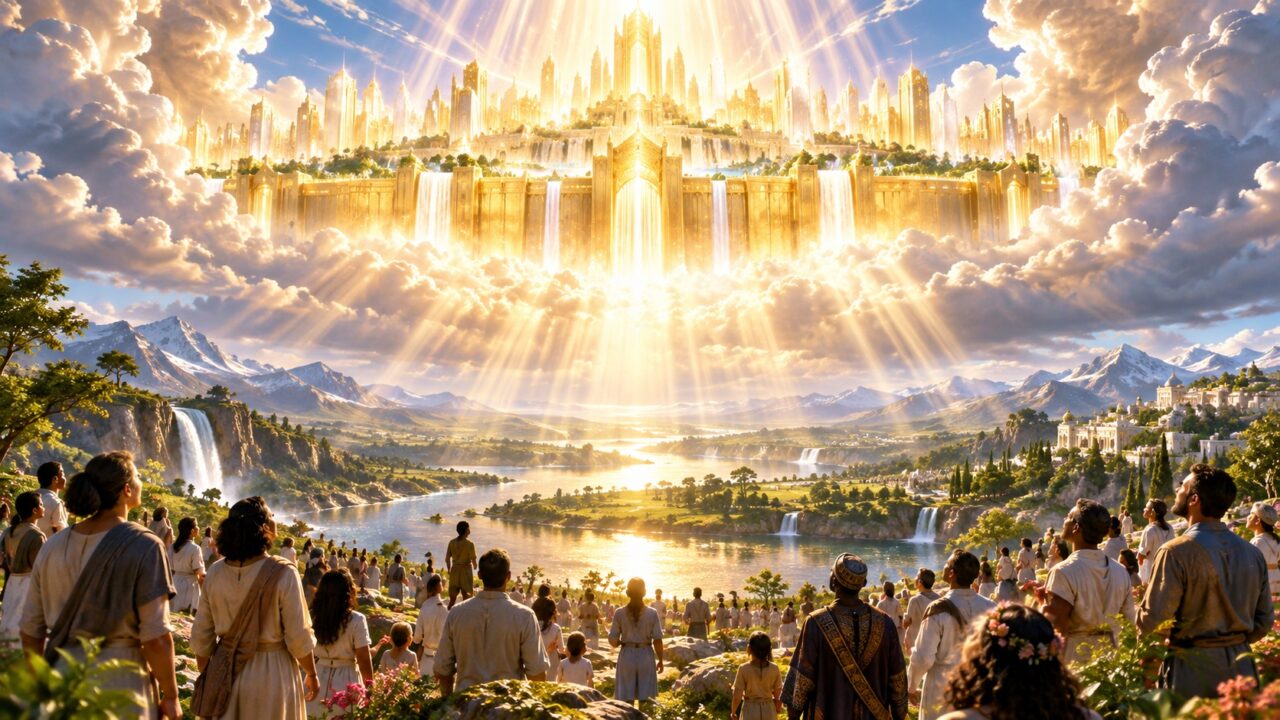
The millennial reign therefore is key to the gospel of God, His coming kingdom on a restored earth. When His Son and Messiah will finally, publicly defeat and subdue every enemy. The saints participate in his righteous government. Every divine promise is fulfilled. Finally, death itself—the last enemy—is abolished. Only then does the Son hand the perfected Kingdom to the Father. Then, at last, God’s purpose from the beginning reaches its glorious fulfillment.
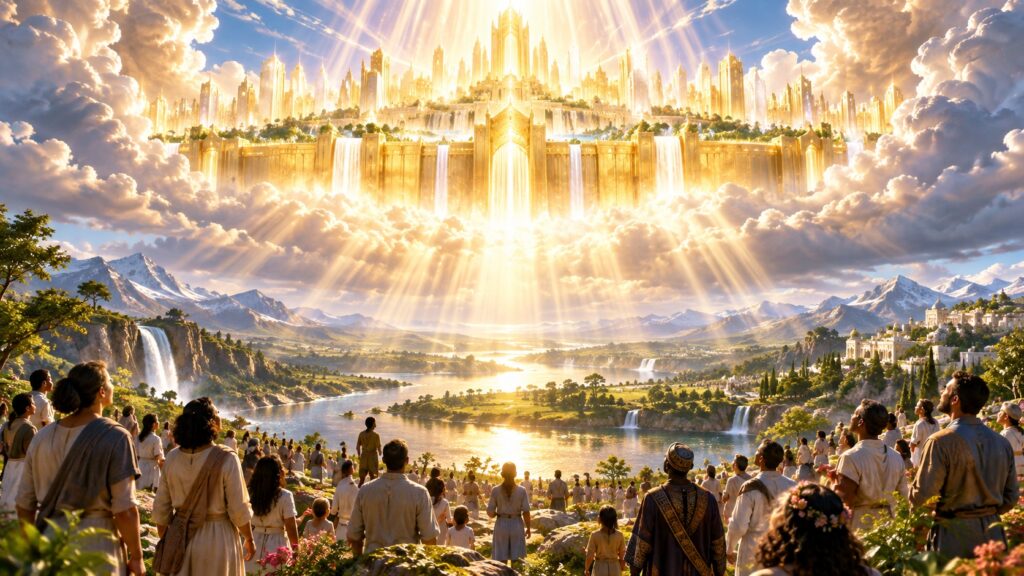
The millennium is not an unnecessary delay but the climactic first stage of the kingdom in God’s orderly plan to renew creation—a final demonstration of His righteous rule before the everlasting new creation, where His will is perfectly accomplished and “God is all in all.”

Signature: YLnQvfddA2MpNbRD5eQ6rDm65YEl/n6q8Gt96f/bJ8VtPGewgxlxjb6Zg1AmwmNGs2XFSBBKedheDop43SyiV0Ev/kXIuXJ0qdxgfRkRqJqE8dzr1o0sIqvqjtTKi3/CO5lJLXye1eD0uH4Uaz75R4e5omhEpD716ZGGmxqUEsTiIYp5frNuVPIs13wwezvQDf1dL6s3vFE9tOD2EwFMWlH2PfwpVNJ2WDPTJiCWoPs92OZ8ndCk1YbQs+a5xYQm/Cb1IRJB/9xxKcMvbrikqns7yK9ki7DmUxwOrMxDA1TzQqu6eKCq9dMAzCyyaimKXN6vDPA2QTSQSHcs2/XzD24gheKgmbbq5/lCmUf1RWBL1xtL71kYB+JXPlroLzvx4aysGOg1rd4/I4liBNjVIfhrmMKX1TeSK3nDJGqHw4cS+l7vSGzRkA9Qf+Mx8Ql1XwonDFYpaYz5M5ZdYy/j7Hb9iLQuqNLycln1UUQV27QLgkrsKnPnhgFO9X18Zbohbq4T5mt7IEgE9nfe5HEEX7ABx9QW5+c37Gb+tg+/1CZ4cx51nbLiZduq9q7NqKUtX9ypyg2Ci2FZvx8qQULni99LwpB2vcnzta8Dg3AyRYFm986mQbZRmw8YESg+f+12dMb7Nj5BaUe9YmPRTbmatiX7IbjXJzaz1HdMblGtxJwt9/eg8IC7riANPVpzdrKssQH67X/dvrzfPPKO8ZAjzBB0d6sTKZu7UnauBWWqfHEmfRWjeeWcIbZqtY0Kf9G64uWjPGaMGu5wF09EWZ9T5WiZKtwykW9Jld/H/lH2XJqoeDrGpe9tNIIS3dXWB9Xq/8a26h1fzWaRgCIiCaw6kArCvSuhZVfJHdMRgT1zacKyIOb37NYcsGzlFDKjsaW0D51opdJPmssaIywaDn/tmnuIJITlav8EVr5rL5zsoxeFlJX4wN0DRcc8Ghsq8gct
Signature: YLnQvfddA2MpNbRD5eQ6rDm65YEl/n6q8Gt96f/bJ8VtPGewgxlxjb6Zg1AmwmNGs2XFSBBKedheDop43SyiV0Ev/kXIuXJ0qdxgfRkRqJqE8dzr1o0sIqvqjtTKi3/CO5lJLXye1eD0uH4Uaz75R4e5omhEpD716ZGGmxqUEsTiIYp5frNuVPIs13wwezvQDf1dL6s3vFE9tOD2EwFMWlH2PfwpVNJ2WDPTJiCWoPs92OZ8ndCk1YbQs+a5xYQm/Cb1IRJB/9xxKcMvbrikqns7yK9ki7DmUxwOrMxDA1TzQqu6eKCq9dMAzCyyaimKXN6vDPA2QTSQSHcs2/XzD24gheKgmbbq5/lCmUf1RWBL1xtL71kYB+JXPlroLzvx4aysGOg1rd4/I4liBNjVIfhrmMKX1TeSK3nDJGqHw4cS+l7vSGzRkA9Qf+Mx8Ql1XwonDFYpaYz5M5ZdYy/j7Hb9iLQuqNLycln1UUQV27QLgkrsKnPnhgFO9X18Zbohbq4T5mt7IEgE9nfe5HEEX7ABx9QW5+c37Gb+tg+/1CZ4cx51nbLiZduq9q7NqKUtX9ypyg2Ci2FZvx8qQULni99LwpB2vcnzta8Dg3AyRYFm986mQbZRmw8YESg+f+12dMb7Nj5BaUe9YmPRTbmatiX7IbjXJzaz1HdMblGtxJwt9/eg8IC7riANPVpzdrKssQH67X/dvrzfPPKO8ZAjzBB0d6sTKZu7UnauBWWqfHEmfRWjeeWcIbZqtY0Kf9G64uWjPGaMGu5wF09EWZ9T5WiZKtwykW9Jld/H/lH2XJqoeDrGpe9tNIIS3dXWB9Xq/8a26h1fzWaRgCIiCaw6kArCvSuhZVfJHdMRgT1zacKyIOb37NYcsGzlFDKjsaW0D51opdJPmssaIywaDn/tmnuIJITlav8EVr5rL5zsoxeFlJX4wN0DRcc8Ghsq8gct
Signature: YLnQvfddA2MpNbRD5eQ6rDm65YEl/n6q8Gt96f/bJ8VtPGewgxlxjb6Zg1AmwmNGs2XFSBBKedheDop43SyiV0Ev/kXIuXJ0qdxgfRkRqJqE8dzr1o0sIqvqjtTKi3/CO5lJLXye1eD0uH4Uaz75R4e5omhEpD716ZGGmxqUEsTiIYp5frNuVPIs13wwezvQDf1dL6s3vFE9tOD2EwFMWlH2PfwpVNJ2WDPTJiCWoPs92OZ8ndCk1YbQs+a5xYQm/Cb1IRJB/9xxKcMvbrikqns7yK9ki7DmUxwOrMxDA1TzQqu6eKCq9dMAzCyyaimKXN6vDPA2QTSQSHcs2/XzD24gheKgmbbq5/lCmUf1RWBL1xtL71kYB+JXPlroLzvx4aysGOg1rd4/I4liBNjVIfhrmMKX1TeSK3nDJGqHw4cS+l7vSGzRkA9Qf+Mx8Ql1XwonDFYpaYz5M5ZdYy/j7Hb9iLQuqNLycln1UUQV27QLgkrsKnPnhgFO9X18Zbohbq4T5mt7IEgE9nfe5HEEX7ABx9QW5+c37Gb+tg+/1CZ4cx51nbLiZduq9q7NqKUtX9ypyg2Ci2FZvx8qQULni99LwpB2vcnzta8Dg3AyRYFm986mQbZRmw8YESg+f+12dMb7Nj5BaUe9YmPRTbmatiX7IbjXJzaz1HdMblGtxJwt9/eg8IC7riANPVpzdrKssQH67X/dvrzfPPKO8ZAjzBB0d6sTKZu7UnauBWWqfHEmfRWjeeWcIbZqtY0Kf9G64uWjPGaMGu5wF09EWZ9T5WiZKtwykW9Jld/H/lH2XJqoeDrGpe9tNIIS3dXWB9Xq/8a26h1fzWaRgCIiCaw6kArCvSuhZVfJHdMRgT1zacKyIOb37NYcsGzlFDKjsaW0D51opdJPmssaIywaDn/tmnuIJITlav8EVr5rL5zsoxeFlJX4wN0DRcc8Ghsq8gct