

Christians often ask if we are living in “the last days.”
But usually what they really mean to ask is:
“Is Jesus coming back tonight, tomorrow, or maybe next week?”
You’ll find that way of thinking actually misses how the Bible itself uses the phrase “the last days.”
In the Old Testament, “the last days” (or “the latter days”) almost always points forward to a climactic future moment called “the Day of the LORD.”
The prophets pictured it as the time when God would restore Israel, judge the nations, and establish His kingdom on earth.
Compare the visions in Isa. 2:2; Micah 4:1; Hos. 3:5:
“Now it will come about that in the last days the mountain of the house of the LORD will be established as the chief of the mountains, and will be raised above the hills; and all the nations will stream to it.”
So in the Old Testament, “the last days” are still entirely in our future, tied to the Day of the LORD and the final restoration of all things.
But when we come to the New Testament, something surprising happens: we are told that “the last days” have already begun.
On the Day of Pentecost, Peter quoted the prophet Joel and said that God was pouring out His Spirit “in the last days” (Acts 2:17).
In other words, Peter understood the gift of the Spirit as a sign that the last days had started.
The writer of Hebrews says that God has spoken to us “in these last days” through His Son (Hebrews 1:2).
Paul warns Timothy that “in the last days” terrible times will come (2 Timothy 3:1), describing the present evil age we see all around us and continue to live in.
So in the Old Testament, “the last days” are future.
In the New Testament, “the last days” have begun with Jesus’ first coming, his death, resurrection, and the outpouring of the Spirit.
Yet even so, the New Testament still looks forward to a decisive, future “Day of the Lord”—a sudden, dramatic event when Jesus returns, the present heavens and earth are dissolved, and everything is made new (see 1 Thessalonians 5:2; 2 Peter 3:10–13).
At the end of his second letter, Peter writes:
“But grow in the grace and knowledge of our Lord and Savior Jesus Messiah. To him be glory both now and in the future age-long day. Amen.” (2 Peter 3:18)
Most English translations say “eternity” or “forever and ever,” but the Greek literally says “to the day of the age” (or “the day that is an age”).
Many scholars take this to refer to the coming messianic age—the kingdom of the Messiah—an age-long “day” that begins at the parousia and will never end.
Peter has just reminded us that “with the Lord one day is as a thousand years” (2 Peter 3:8), so this “age-long day” naturally echoes that thought.
As Anthony says in a footnote:
“Probably a reference to the millennium as the first stage of the future Kingdom of God. Peter had earlier spoken of a day as equal to 1000 years in God’s plan. The Greek speaks of the day which is an age, the age-long day.”
It may also allude to Isaiah’s promise that in the coming age the LORD Himself will be Israel’s everlasting light, so that the sun and moon will no longer be needed (Isaiah 60:19–20).
The Word Biblical Commentary on Jude–2 Peter sheds more light on this Greek term:
“This unique substitution for the phrase (‘forever’), which is usual in doxologies, probably refers to the eschatological age as a day which will dawn at the parousia (1:19) and last forever. The notion of the eternal day may derive from Isa 60:19–20 [RSV; note the proximity to 60:22, echoed in 2 Pet 3:12].” (Vol. 50, p. 338)
Putting it all together:
- The Old Testament places “the last days” entirely in the future, focused on the Day of the LORD when God restores Israel and judges the nations.
- The New Testament declares that “the last days” have already started with Jesus’ first coming and the giving of the Spirit.
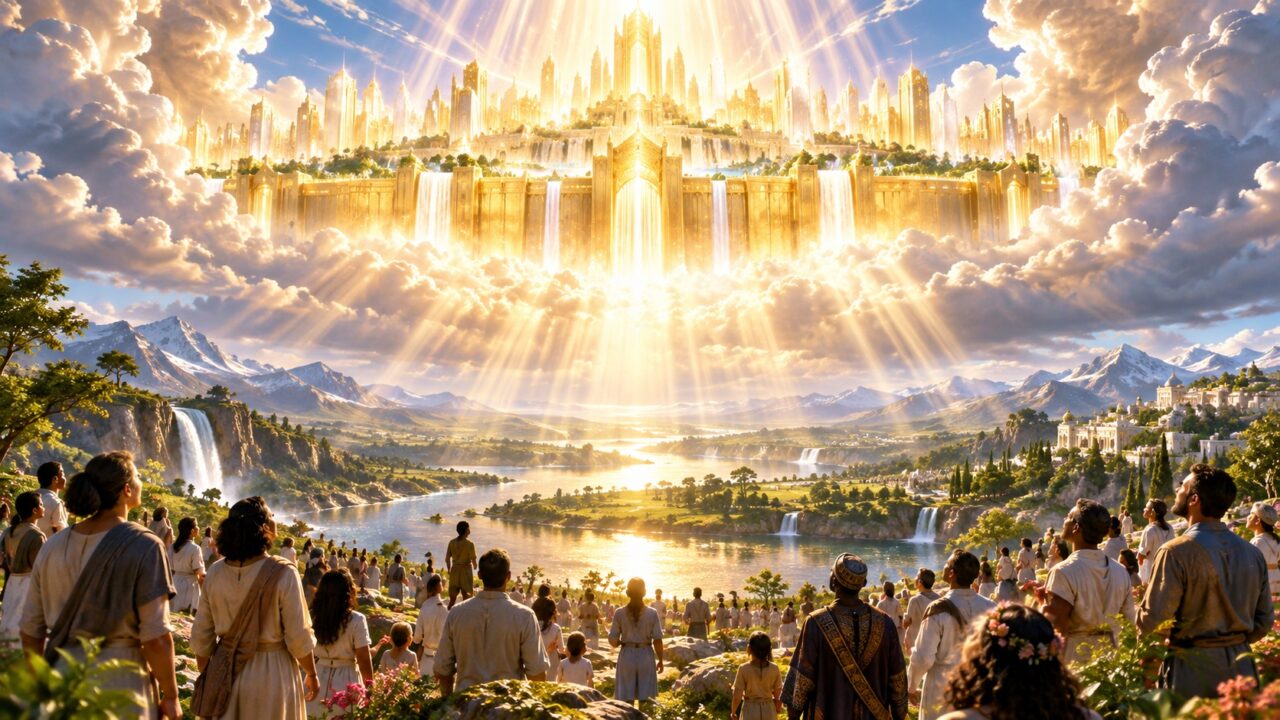
- Yet Christians still await a future “Day of the Lord”—the parousia of Jesus—followed by “the future age-long day,” that is, the age to come (God’s coming kingdom on earth).
So, to answer the question, are we living in the last days?
Yes, according to the New Testament.
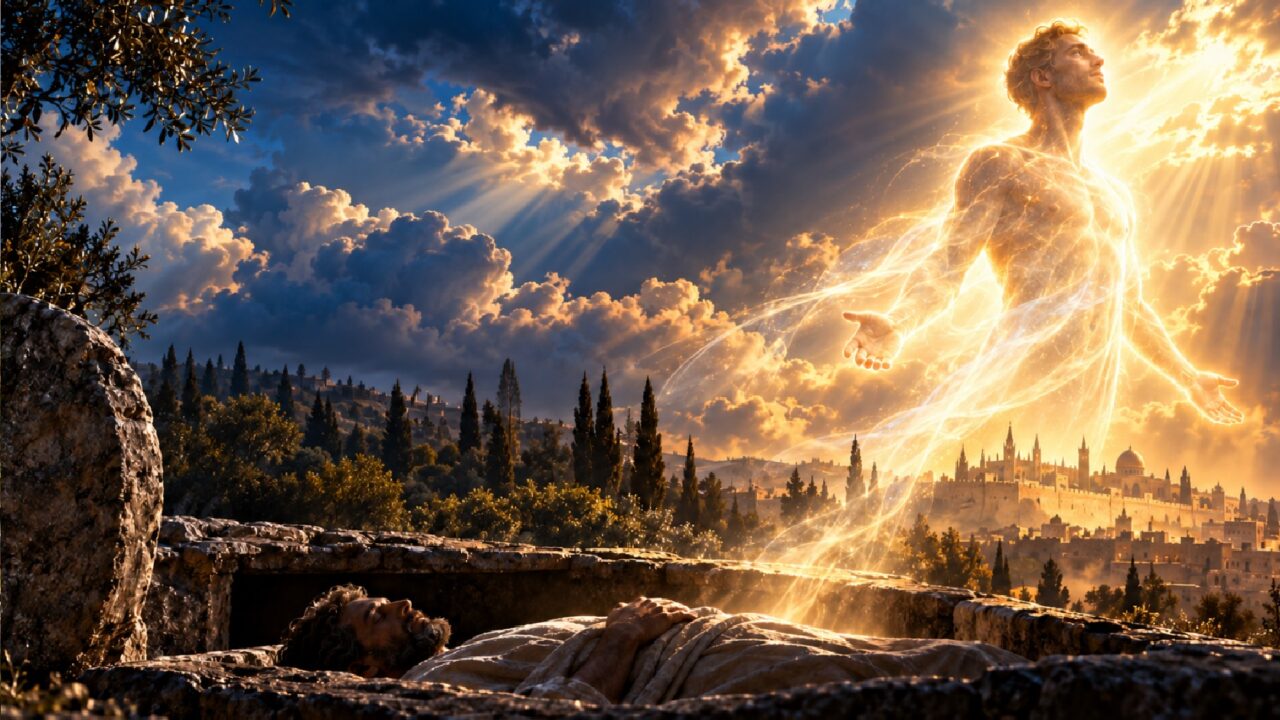
We are living in “the last days” that began with Jesus and will culminate in the climactic Day of the LORD—the parousia of Messiah—and the dawning of that “future age-long day.”
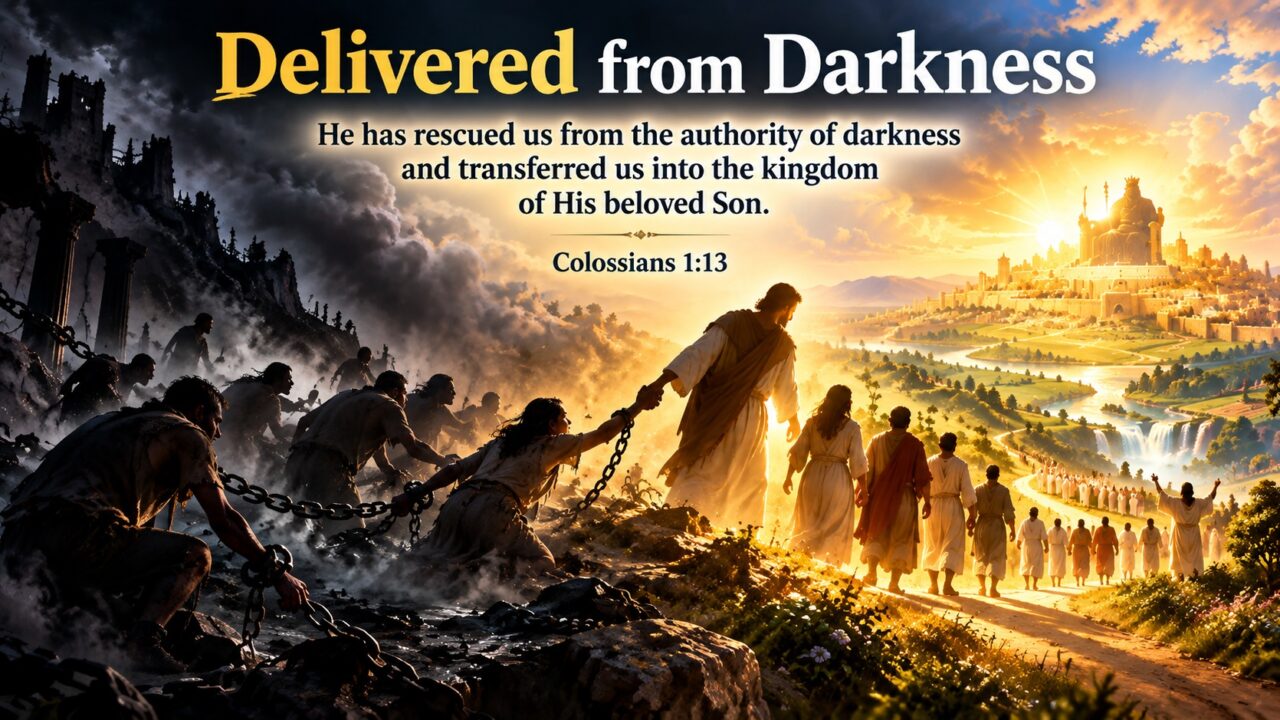
Until that day arrives, our Great Commission is to preach and warn about the coming of “the great and terrible day of the LORD” (Joel 2:31; Mal. 4:5), when the sons of God will finally be revealed (Rom. 8:19), creation itself will be liberated from corruption, and justice will at last fill the entire earth.
On that day, “the righteous will shine forth like the sun in the Kingdom of their Father.” (Mt. 13:43; cp. Dan. 12:3)
This is what I call the Christian Endgame—what we are called to watch for, to pray for, and to live for right now “in these last days.”

Signature: YLnQvfddA2MpNbRD5eQ6rDm65YEl/n6q8Gt96f/bJ8VtPGewgxlxjb6Zg1AmwmNGs2XFSBBKedheDop43SyiV0Ev/kXIuXJ0qdxgfRkRqJqE8dzr1o0sIqvqjtTKi3/CO5lJLXye1eD0uH4Uaz75R4e5omhEpD716ZGGmxqUEsTiIYp5frNuVPIs13wwezvQDf1dL6s3vFE9tOD2EwFMWlH2PfwpVNJ2WDPTJiCWoPs92OZ8ndCk1YbQs+a5xYQm/Cb1IRJB/9xxKcMvbrikqns7yK9ki7DmUxwOrMxDA1TzQqu6eKCq9dMAzCyyaimKXN6vDPA2QTSQSHcs2/XzD24gheKgmbbq5/lCmUf1RWBL1xtL71kYB+JXPlroLzvx4aysGOg1rd4/I4liBNjVIfhrmMKX1TeSK3nDJGqHw4cS+l7vSGzRkA9Qf+Mx8Ql1XwonDFYpaYz5M5ZdYy/j7Hb9iLQuqNLycln1UUQV27QLgkrsKnPnhgFO9X18Zbohbq4T5mt7IEgE9nfe5HEEX7ABx9QW5+c37Gb+tg+/1CZ4cx51nbLiZduq9q7NqKUtX9ypyg2Ci2FZvx8qQULni99LwpB2vcnzta8Dg3AyRYFm986mQbZRmw8YESg+f+12dMb7Nj5BaUe9YmPRTbmatiX7IbjXJzaz1HdMblGtxJwt9/eg8IC7riANPVpzdrKssQH67X/dvrzfPPKO8ZAjzBB0d6sTKZu7UnauBWWqfHEmfRWjeeWcIbZqtY0Kf9G64uWjPGaMGu5wF09EWZ9T5WiZKtwykW9Jld/H/lH2XJqoeDrGpe9tNIIS3dXWB9Xq/8a26h1fzWaRgCIiCaw6kArCvSuhZVfJHdMRgT1zacKyIOb37NYcsGzlFDKjsaW0D51opdJPmssaIywaDn/tmnuIJITlav8EVr5rL5zsoxeFlJX4wN0DRcc8Ghsq8gct
Signature: YLnQvfddA2MpNbRD5eQ6rDm65YEl/n6q8Gt96f/bJ8VtPGewgxlxjb6Zg1AmwmNGs2XFSBBKedheDop43SyiV0Ev/kXIuXJ0qdxgfRkRqJqE8dzr1o0sIqvqjtTKi3/CO5lJLXye1eD0uH4Uaz75R4e5omhEpD716ZGGmxqUEsTiIYp5frNuVPIs13wwezvQDf1dL6s3vFE9tOD2EwFMWlH2PfwpVNJ2WDPTJiCWoPs92OZ8ndCk1YbQs+a5xYQm/Cb1IRJB/9xxKcMvbrikqns7yK9ki7DmUxwOrMxDA1TzQqu6eKCq9dMAzCyyaimKXN6vDPA2QTSQSHcs2/XzD24gheKgmbbq5/lCmUf1RWBL1xtL71kYB+JXPlroLzvx4aysGOg1rd4/I4liBNjVIfhrmMKX1TeSK3nDJGqHw4cS+l7vSGzRkA9Qf+Mx8Ql1XwonDFYpaYz5M5ZdYy/j7Hb9iLQuqNLycln1UUQV27QLgkrsKnPnhgFO9X18Zbohbq4T5mt7IEgE9nfe5HEEX7ABx9QW5+c37Gb+tg+/1CZ4cx51nbLiZduq9q7NqKUtX9ypyg2Ci2FZvx8qQULni99LwpB2vcnzta8Dg3AyRYFm986mQbZRmw8YESg+f+12dMb7Nj5BaUe9YmPRTbmatiX7IbjXJzaz1HdMblGtxJwt9/eg8IC7riANPVpzdrKssQH67X/dvrzfPPKO8ZAjzBB0d6sTKZu7UnauBWWqfHEmfRWjeeWcIbZqtY0Kf9G64uWjPGaMGu5wF09EWZ9T5WiZKtwykW9Jld/H/lH2XJqoeDrGpe9tNIIS3dXWB9Xq/8a26h1fzWaRgCIiCaw6kArCvSuhZVfJHdMRgT1zacKyIOb37NYcsGzlFDKjsaW0D51opdJPmssaIywaDn/tmnuIJITlav8EVr5rL5zsoxeFlJX4wN0DRcc8Ghsq8gct

Signature: YLnQvfddA2MpNbRD5eQ6rDm65YEl/n6q8Gt96f/bJ8VtPGewgxlxjb6Zg1AmwmNGs2XFSBBKedheDop43SyiV0Ev/kXIuXJ0qdxgfRkRqJqE8dzr1o0sIqvqjtTKi3/CO5lJLXye1eD0uH4Uaz75R4e5omhEpD716ZGGmxqUEsTiIYp5frNuVPIs13wwezvQDf1dL6s3vFE9tOD2EwFMWlH2PfwpVNJ2WDPTJiCWoPs92OZ8ndCk1YbQs+a5xYQm/Cb1IRJB/9xxKcMvbrikqns7yK9ki7DmUxwOrMxDA1TzQqu6eKCq9dMAzCyyaimKXN6vDPA2QTSQSHcs2/XzD24gheKgmbbq5/lCmUf1RWBL1xtL71kYB+JXPlroLzvx4aysGOg1rd4/I4liBNjVIfhrmMKX1TeSK3nDJGqHw4cS+l7vSGzRkA9Qf+Mx8Ql1XwonDFYpaYz5M5ZdYy/j7Hb9iLQuqNLycln1UUQV27QLgkrsKnPnhgFO9X18Zbohbq4T5mt7IEgE9nfe5HEEX7ABx9QW5+c37Gb+tg+/1CZ4cx51nbLiZduq9q7NqKUtX9ypyg2Ci2FZvx8qQULni99LwpB2vcnzta8Dg3AyRYFm986mQbZRmw8YESg+f+12dMb7Nj5BaUe9YmPRTbmatiX7IbjXJzaz1HdMblGtxJwt9/eg8IC7riANPVpzdrKssQH67X/dvrzfPPKO8ZAjzBB0d6sTKZu7UnauBWWqfHEmfRWjeeWcIbZqtY0Kf9G64uWjPGaMGu5wF09EWZ9T5WiZKtwykW9Jld/H/lH2XJqoeDrGpe9tNIIS3dXWB9Xq/8a26h1fzWaRgCIiCaw6kArCvSuhZVfJHdMRgT1zacKyIOb37NYcsGzlFDKjsaW0D51opdJPmssaIywaDn/tmnuIJITlav8EVr5rL5zsoxeFlJX4wN0DRcc8Ghsq8gct