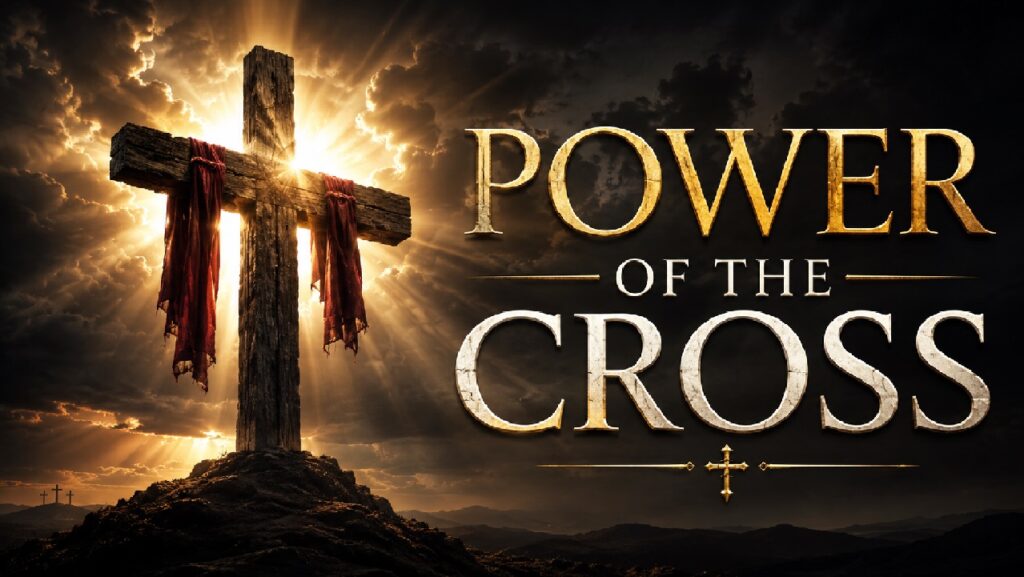
The cross is one of the most emotionally charged and powerful symbols of the Christian faith. This might explain why for so many Christians, the cross has come to overshadow the ministry and teachings of Jesus. Now, don’t get me wrong, as Christians we should rightly proclaim the fact that Christ died in our place, for our sins. And explain how his blood ratified, officiated the New Covenant established by his ministry. But Christians should not make the cross the Gospel alone at the expense of Jesus preaching the coming Kingdom of God. Nevertheless, the cross remains an indispensable part of the whole Gospel message. It stands at the center of God’s plan to defeat sin, expose the powers of darkness, reconcile humanity to Himself, and prepare the way for the coming Kingdom. But in order to understand the power of the cross, we must first understand the biblical worldview that give us the answers to the following questions:
Why is the world as it is?
Why are human beings inclined toward evil?
What is evil symbolized by Satan and his demons?
What is sin itself, and why does Scripture describe our struggle as involving more than flesh and blood?
We must begin with the Hebrew Scriptures and then move into the New Testament. And always remindful of the fact that the cross is not the conclusion of God’s plan. It is the decisive preview and guarantee of the final act: the coming Kingdom of God.
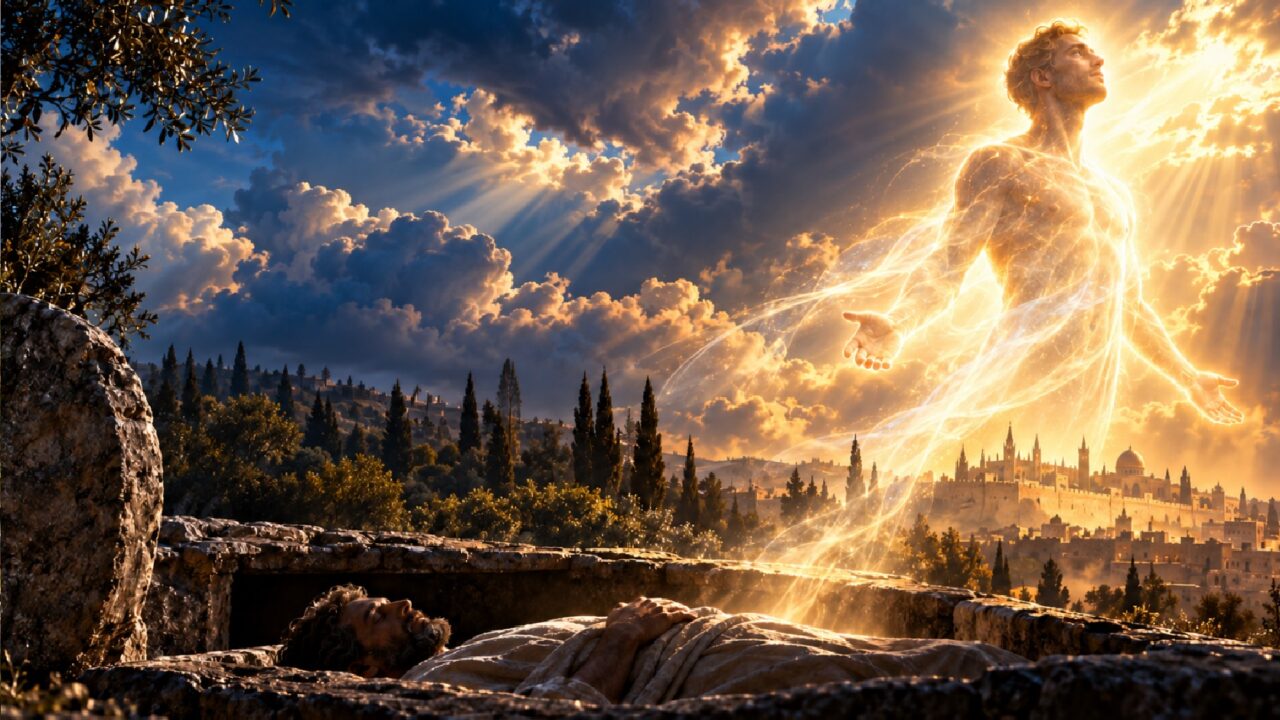
When the Son of God died (Matt. 27:54; Mar 15:39; Luke 23:47; cp. Rom 5:10), he remained dead in the grave for three days. He was not alive elsewhere, preaching to disembodied spirits. He was truly dead. God then raised him from the dead and made him immortal. This is central to the message of the early church of Acts and the letters of Paul.
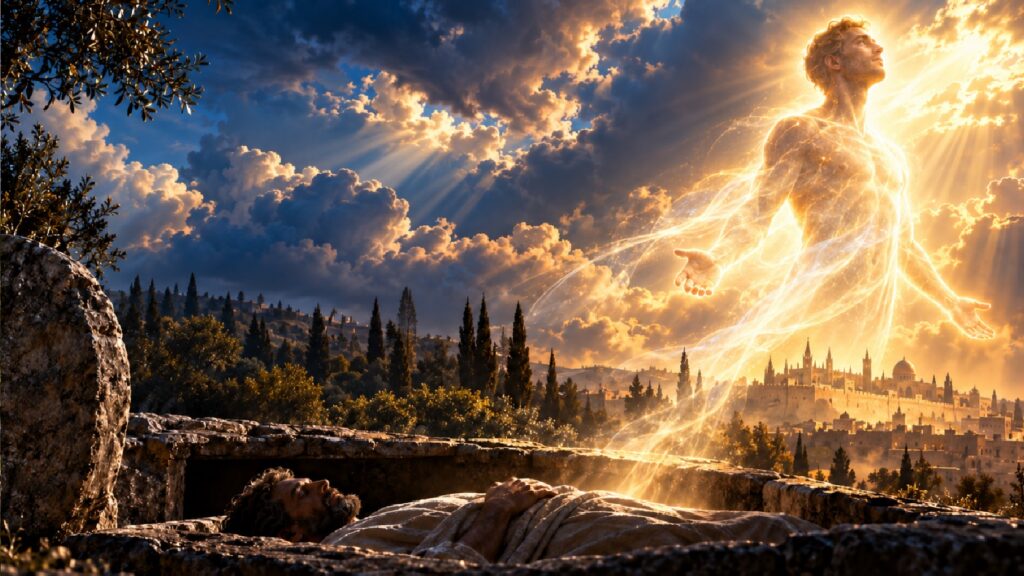
The resurrection of Jesus previews what will happen to faithful Christians. Those who are dead when Jesus returns will be raised to immoral life in the kingdom age to come. Together with the transformed believers who are still alive, they will rule with the Messiah over the restored nations of the earth (Matt 19:28; Rev 2:26-29).
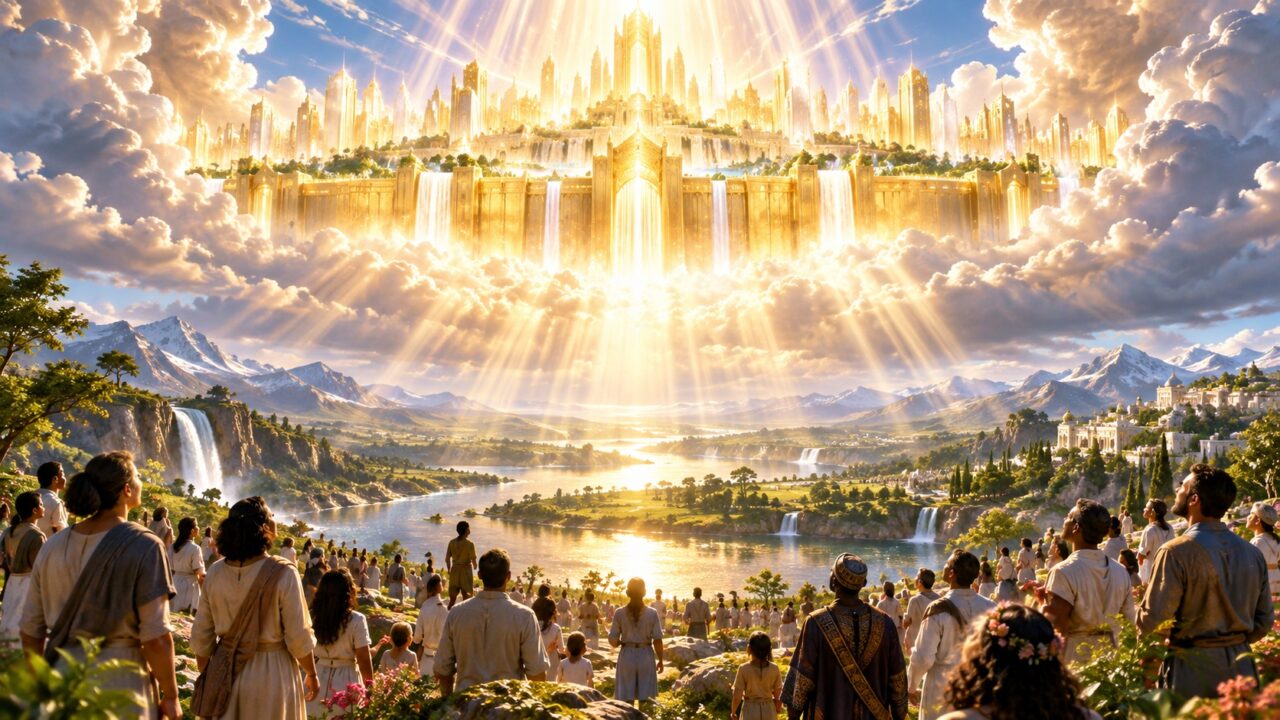
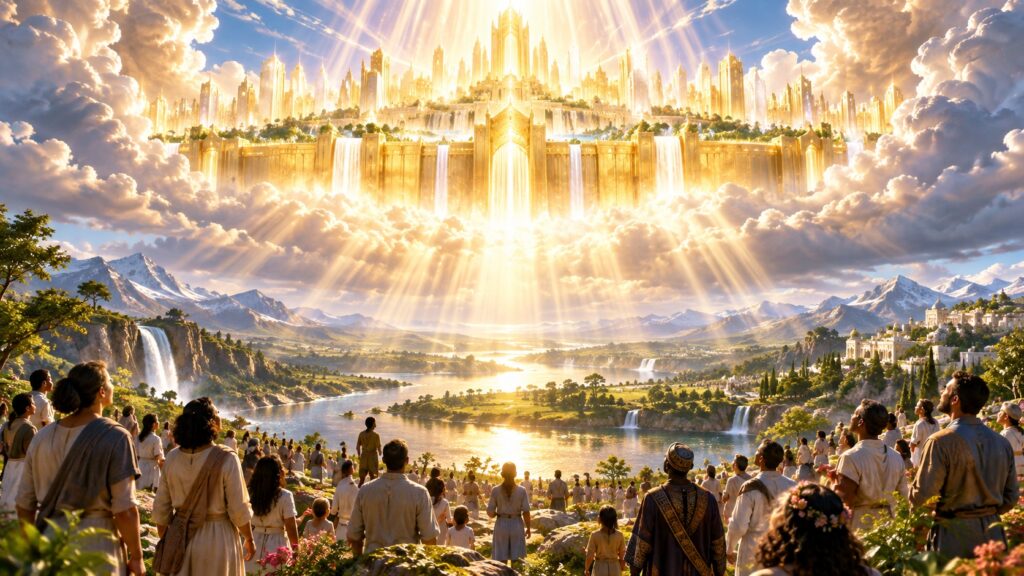
The future world will not remain as it is now. It will be renewed, healed, and placed under the righteous government of God through His Messiah. This will be the complete overthrow of evil, including the spiritual forces encountered by Jesus and described by Paul in Colossians.
The New Testament calls this divine plan the “sacred secret,” the Greek usually transliterated as “mystery.” The latter translation speaks better to the meaning that was hidden for ages in God’s purpose but has now been revealed to the church.
The story begins in Genesis.
Adam and Eve lived in the paradise of the Garden of Eden. God’s intention was for humanity, represented by the first man and woman, to rule the earth as His image-bearers and representative agents.
Human beings were created to exercise wise and righteous dominion under God. They were also surrounded by a heavenly assembly of created spiritual beings who served Yahweh.
In Genesis one, verse twenty-six, God says, “Let Us make man in Our image, according to Our likeness.” God may be addressing the heavenly assembly present with Him. Angels are also moral beings. They understand good and evil, they can obey or rebel, and Scripture shows that some of them sinned.
Job thirty-eight describes heavenly beings as present when God laid the earth’s foundations. The morning stars sang together, and the sons of God shouted for joy. The passage emphasizes the greatness of God and the smallness of humanity. Job and his companions were not present when Yahweh created the world, but the heavenly assembly witnessed His work.
Throughout the Hebrew Scriptures, angels sent by Yahweh assist human beings.
In Genesis sixteen, the angel of Yahweh appeared to Hagar after she had been driven away. God saw her distress and gave her promises concerning Ishmael.
During the Exodus, an angel sent by God guided and protected Israel. God’s presence was manifested through the cloud by day and the fire by night.
Psalm one hundred and four, later quoted in Hebrews one, describes God as making His angels winds and His ministers a flame of fire. Angels are servants. They perform the work God assigns to them.
This was the original order: Yahweh as the supreme and only true God, humanity ruling the earth as His image-bearers, and the heavenly host serving His purposes.
But paradise was lost.
The biblical explanation for the present condition of the world involves a combination of rebellions.
The first is the fall of humanity in Genesis three. Adam and Eve disobeyed God, and sin and death entered human experience.
The second is the rebellion associated with the sons of God in Genesis six. There is a long-standing debate over whether these sons of God were heavenly beings or human rulers. I understand the passage as referring to fallen angels whose rebellion contributed to the corruption that preceded the Flood.
Even those who interpret Genesis six differently generally agree that Scripture teaches the existence of fallen angels, demons, the Devil, and Satan.
The third major event is the Tower of Babel in Genesis eleven. Humanity again rebelled against God, seeking unity, power, and fame apart from Him.
The fall of Adam and Eve, the rebellion of heavenly beings, and the rebellion at Babel form an important part of the biblical explanation for the condition of the present world.
These events help explain why human beings are capable of doing what appears good while also displaying profound corruption. Human sin is real, but the biblical worldview also recognizes the influence of rebellious spiritual powers.
The world is not merely suffering from bad education, poor politics, or social dysfunction. Human beings are sinful, and the nations have come under the influence of powers opposed to God.
Deuteronomy 29 records part of Moses’ final address to Israel. The setting is covenantal. Israel had entered into a covenant with Yahweh but repeatedly betrayed that covenant through idolatry.
The prophets often portray idolatry as marital unfaithfulness. Israel abandoned Yahweh and gave her allegiance to other gods. By doing so, the people invited divine judgment.
God did not judge Israel because He delights in punishment. Israel repeatedly rejected Him, violated the covenant, and chose the gods of the nations.
Paul later refers to such beings as “so-called gods” and “so-called lords.” They stand in opposition to Yahweh, the one true God.
Deuteronomy 29 speaks of gods whom Yahweh had not allotted to Israel. This language suggests that the nations had been divided and placed under various spiritual authorities, but Israel was Yahweh’s special inheritance.
The word elohim can be used in more than one way. It can refer to Yahweh, to heavenly beings, or even to human representatives exercising delegated authority. Context determines its meaning.
In some passages, the gods worshiped by the nations are not treated as merely lifeless statues. The idols themselves are powerless objects, but the worship offered through them may be connected to real spiritual personalities.
Paul makes this point in 1 Corinthians 10 when he says that sacrifices offered to idols are actually offered to demons and not to God.
Deuteronomy 32 further develops this worldview. The chapter describes God dividing the nations according to the number of the sons of God, while Yahweh’s own portion is His people Israel.
The Dead Sea Scrolls preserve the reading “sons of God,” while the Greek translation has “angels of God.” These readings fit the wider biblical picture of the nations being placed under heavenly rulers.
The problem was not simply that the nations had governors. The problem was that these spiritual rulers rebelled and accepted worship that belonged to Yahweh alone.
Deuteronomy 32 says that Israel sacrificed to demons, to gods they had not known, to new gods whom their ancestors had not feared. The parallel language identifies the gods with demons.
These were spiritual beings to whom the people wrongly gave their loyalty.
Psalm 96 likewise declares that the gods of the nations are idols, while the Greek translation explicitly calls them demons.
This Hebrew biblical worldview forms the background for Paul’s teaching about the present evil age and the spiritual forces that dominate it.
Paul understood the cross as the decisive event through which God, acting through His Son the Messiah, began to overturn the works of the powers of darkness.
The victory has begun, but it has not yet reached its final and universal expression. Evil remains active in the world. The nations have not yet submitted fully to the Messiah, and death continues to reign over humanity.
For this reason, it is a mistake to claim that the millennial Kingdom has already arrived in its fullness.
The Kingdom is near. It is approaching. Its powers have been demonstrated in the ministry, resurrection, and exaltation of Jesus. Believers may experience a foretaste of the coming age through the holy spirit. Nevertheless, the Kingdom itself will be established openly on earth when Jesus returns.
The cross accomplished something decisive in the past, but its full consequences will be manifested in the future.
The Messiah succeeded in his ministry. He faithfully preached the Kingdom of God, obeyed his Father, established the New Covenant through his teaching and sacrificial death, and was vindicated by resurrection.
Ephesians 6 describes the true nature of the Christian struggle.
Paul says that our struggle is not against flesh and blood but against rulers, authorities, the world rulers of this darkness, and spiritual forces of evil in the heavenly places.
Human beings may oppose us. Governments may persecute us. Individuals may act wickedly. Nevertheless, Paul directs our attention beyond the visible human opponent to the spiritual system operating behind the present evil age.
This does not remove human responsibility. People remain accountable for their choices. Yet human wickedness may also be encouraged, manipulated, or intensified by spiritual powers.
The late Michael Heiser wrote extensively about this biblical worldview in The Unseen Realm. Although I disagree with his Trinitarian theology, his work on the biblical teaching about the unseen spiritual world is valuable.
There is a realm that cannot be perceived with the physical eyes. Paul identifies the powers within that realm as the church’s true enemies.
This is why he immediately describes the armor of God.
How do Christians face enemies they cannot see or hear?
They do not fight them with the weapons of the world.
Paul describes both defensive and offensive equipment.
- The belt of truth represents our commitment to the truth revealed by God.
- The breastplate of righteousness represents faithful and upright living.
- The readiness produced by the Gospel of peace prepares us to stand firm.
- The shield of faith enables us to extinguish the flaming arrows of the evil one.
- The helmet of salvation protects the mind with the hope of God’s saving purpose.
- The sword of the spirit is the word of God. For Christians, this includes the Gospel of the Kingdom proclaimed by Jesus and his apostles.
Paul also emphasizes prayer. Believers are to pray at all times in the spirit, remaining alert and persevering on behalf of all the saints.
The spirit of God strengthens Christians in circumstances of persecution, suffering, and even death.
We must be realistic. Faithfulness does not guarantee that believers will escape suffering. Many followers of Jesus have been persecuted and killed. Christians do not overcome evil by adopting the violent methods of the world. They overcome through faith, truth, endurance, testimony, and loyalty to the Messiah.
Jesus himself taught his disciples to take up the cross and follow him.
Paul uses powerful language to describe the forces arrayed against God’s people: rulers, authorities, dominions, powers, thrones, world rulers of darkness, and spiritual forces of evil.
His terminology reflects the worldview of passages such as Deuteronomy twenty-nine, Deuteronomy 32, and Psalm 96.
In 1 Corinthians 2, Paul speaks of a wisdom that does not belong to this age or to the rulers of this age, who are being brought to nothing.
These rulers may include human authorities, but Paul’s language also appears to include spiritual powers. He says that none of the rulers of this age understood God’s hidden wisdom. Had they understood it, they would not have crucified the Lord of glory.
The Messiah’s suffering and death were part of the wisdom God had determined before the ages for the glory of His people.
The patriarchs knew that the Messiah would come, but they did not possess the complete revelation of his identity, suffering, death, and resurrection. Even the disciples struggled to understand why the Messiah had to suffer before entering his glory.
They expected the Kingdom, and rightly so. What they did not initially understand was that the Messiah would first be rejected, killed, and raised from the dead.
The powers responsible for the crucifixion believed they were destroying Jesus. In reality, the cross became the instrument of their defeat.
Ephesians two refers to “the ruler of the authority of the air,” a description that clearly reaches beyond an ordinary human ruler.
Ephesians one says that after raising Jesus from the dead, God seated him at His right hand in the heavenly places, far above every rule, authority, power, dominion, and every name that is named.
Jesus did not raise himself or seat himself at his own right hand. God raised and exalted His Messiah. The distinction between God and Jesus remains clear.
The one God, the Father, exalted the man Messiah Jesus above all rival powers.
We must educate ourselves and our children about this biblical worldview.
The physical person standing before us is not always the whole explanation for what is happening. Human will and human wickedness are real, but unseen powers may also be at work.
Many people have experienced moments when someone they know seems dramatically changed by rage, hatred, addiction, or spiritual darkness. We must be careful not to make reckless accusations, but neither should we dismiss the biblical teaching about demonic influence.
The visible world is real, but it is not the whole of reality.
Behind the conflicts of the present age lies a deeper struggle involving powers that oppose God, deceive the nations, and seek to draw human beings away from the truth.
1 Thessalonians 5 provides another important perspective.
Paul tells believers that the Day of the Lord will come like a thief in the night upon those who are unprepared. While people are saying, “Peace and safety,” sudden destruction will come upon them.
The world will be surprised, but Christians should not be.
Believers are not in darkness so that the Day should overtake them like a thief. They are children of light and children of the day. They do not belong to the night or to the darkness.
Paul therefore urges Christians to remain awake and sober.
Those who sleep do so at night, and those who become drunk do so at night. Believers, however, belong to the coming day of God’s Kingdom.
This language reflects a well-known Jewish apocalyptic contrast between the sons of light and the sons of darkness. The community associated with the Dead Sea Scrolls used similar terminology.
The point is not that Christians possess secret knowledge for the sake of pride. The point is that we have been entrusted with the truth about what God is doing and what He will yet do through His Messiah.
We must therefore live in the light of the coming Kingdom.
Colossians 2 brings us to the heart of the matter.
Paul warns believers not to be taken captive through philosophy, empty deception, human tradition, or the elemental principles of the world rather than according to the Messiah.
These elemental principles may include the spiritual powers associated with the old order. Christians must not return to the systems from which God has delivered them.
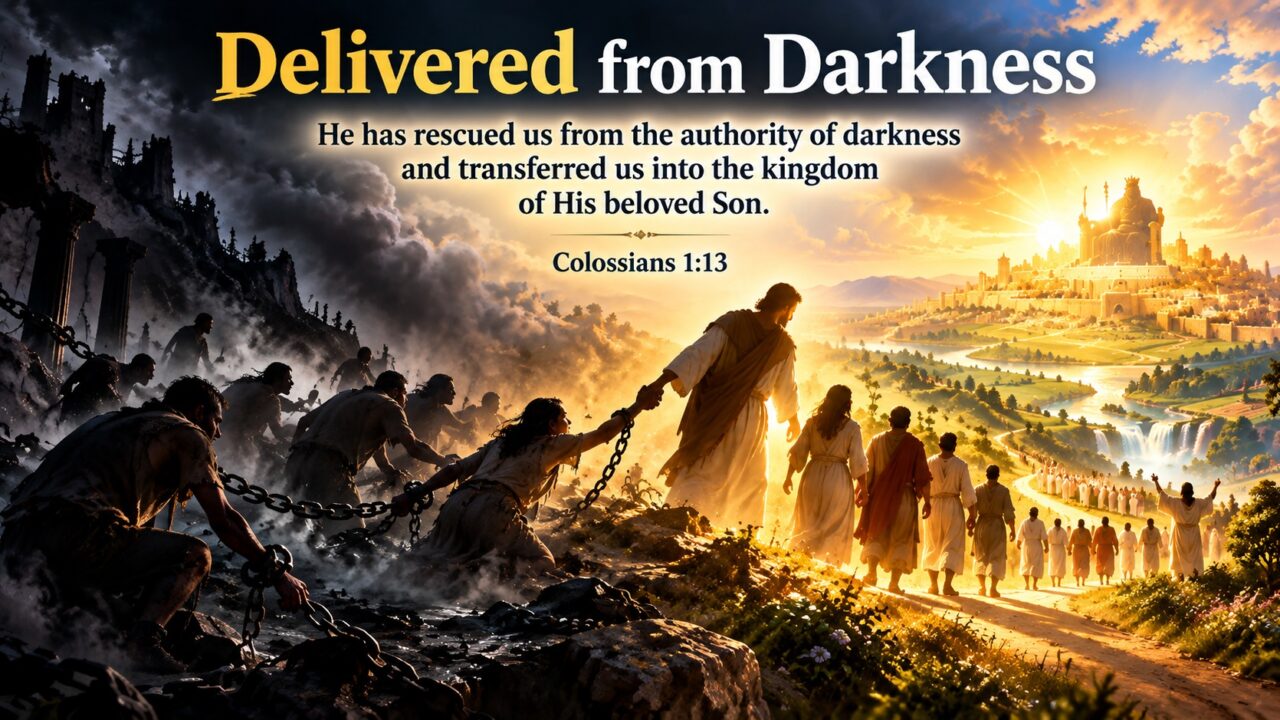
Through the Messiah, believers have been transferred from the authority of darkness and brought into the Kingdom destiny of God’s beloved Son.
The victory is already real, though not yet complete.
Colossians two says that through the cross, God disarmed the rulers and authorities, exposed them publicly, and triumphed over them through the Messiah.
The powers believed that the crucifixion demonstrated their victory. Instead, the cross revealed their defeat.
They killed the sinless Messiah, but God raised him from the dead.
They attempted to silence the Gospel, but the resurrection confirmed that Jesus is the appointed ruler of the coming age.
They sought to preserve the present system, but the cross guaranteed that this system will come to an end.
The powers have been disarmed in principle. Their authority has been broken for those who belong to the Messiah. Their complete removal awaits the return of Jesus and the establishment of the Kingdom.
God chose Israel as His covenant people and promised that the Messiah would come from the line of David.
Through the Messiah, God intends not only to restore Israel but also to regain the nations.
This is the widescreen Gospel.
God’s purpose was never limited to one ethnic people. Abraham was promised that all the families and nations of the earth would be blessed through him.
The Davidic Kingdom pointed forward to the worldwide rule of the Messiah. When Jesus returns, the nations will be brought under God’s righteous government.
The life, teachings, death, resurrection, and future return of Jesus are all essential parts of this plan.
The ministry of Jesus cannot be separated from the cross, and the cross cannot be separated from the Gospel of the Kingdom.
Through his faithful obedience and sacrificial death, Jesus became the means of atonement for our sins. Through his resurrection, God vindicated him as Messiah. Through his exaltation, Jesus has been placed above every rival authority. Through his return, he will complete the overthrow of evil and restore the earth.
Ephesians 3 says that God’s sacred secret is now being made known through the church to the rulers and authorities in the heavenly places.
This is an astonishing statement.
The church is not merely speaking to the visible world. By proclaiming the Gospel, living faithfully, and remaining loyal to the Messiah, the church demonstrates to the spiritual powers that their rule is temporary and their defeat is certain.
The resurrection and exaltation of Jesus revealed God’s plan in a new and decisive way.
The rulers and authorities now know that the crucified Messiah has been raised from the dead and appointed as the ruler of the coming world.
The church has therefore been commissioned to make this truth known.
Jesus said that all authority in heaven and on earth had been given to him. He commanded his disciples to go, make disciples of all nations, baptize them, and teach them to obey everything he had commanded. He promised to remain with them until the end of the age.
Every Christian is part of this mission.
Not everyone is a pastor. Not everyone is a teacher. Believers have different gifts and responsibilities within the one body of the Messiah. Nevertheless, every member of that body has a part to play.
We must ask ourselves: What are we doing with the truth we have received?
- Are we proclaiming the Kingdom?
- Are we teaching the words of Jesus?
- Are we helping others understand the one true God and His Messiah?
- Are we living as children of light?
- Are we standing firm against the values and powers of the present evil age?
The cross must never be reduced to a religious ornament or a sentimental symbol.
- It is the place where the sinless Messiah gave his life for the sins of the world.
- It is the place where the powers of darkness appeared to triumph but were actually exposed.
- It is the place where God’s wisdom overturned the wisdom of the age.
- It is the place where the New Covenant was sealed through the obedient sacrifice of Jesus.
- It is the place that demonstrates how God’s people overcome: not through domination, violence, or political force, but through truth, faithfulness, self-sacrifice, and obedience.
Yet the cross is not the end of the story. The crucified Messiah was raised from the dead. The risen Messiah has been exalted to the right hand of God. The exalted Messiah will return to establish the Kingdom. The coming King will raise the faithful dead, transform the living saints, overthrow the powers of darkness, restore the nations, and renew the earth.
Paradise was lost through rebellion, but paradise will be regained through the faithful obedience of the Messiah. The powers have been disarmed. Their shame has been exposed. Their sentence has been announced. Their final removal is certain.
We have been allowed to understand God’s great plan. Let us therefore use the gifts He has given us. Let us proclaim the Gospel of the Kingdom, teach the words of Jesus, stand firm against the powers of darkness, and live as children of the coming age.
The cross declares that the present evil system will not endure.
The resurrection declares that death will not have the final word.
The return of Jesus will reveal the complete victory of Yahweh, the one true God, through His appointed Messiah.
That is the power of the cross.
That is the hope of the Gospel.
And that is the promise of paradise regained.

Signature: YLnQvfddA2MpNbRD5eQ6rDm65YEl/n6q8Gt96f/bJ8VtPGewgxlxjb6Zg1AmwmNGs2XFSBBKedheDop43SyiV0Ev/kXIuXJ0qdxgfRkRqJqE8dzr1o0sIqvqjtTKi3/CO5lJLXye1eD0uH4Uaz75R4e5omhEpD716ZGGmxqUEsTiIYp5frNuVPIs13wwezvQDf1dL6s3vFE9tOD2EwFMWlH2PfwpVNJ2WDPTJiCWoPs92OZ8ndCk1YbQs+a5xYQm/Cb1IRJB/9xxKcMvbrikqns7yK9ki7DmUxwOrMxDA1TzQqu6eKCq9dMAzCyyaimKXN6vDPA2QTSQSHcs2/XzD24gheKgmbbq5/lCmUf1RWBL1xtL71kYB+JXPlroLzvx4aysGOg1rd4/I4liBNjVIfhrmMKX1TeSK3nDJGqHw4cS+l7vSGzRkA9Qf+Mx8Ql1XwonDFYpaYz5M5ZdYy/j7Hb9iLQuqNLycln1UUQV27QLgkrsKnPnhgFO9X18Zbohbq4T5mt7IEgE9nfe5HEEX7ABx9QW5+c37Gb+tg+/1CZ4cx51nbLiZduq9q7NqKUtX9ypyg2Ci2FZvx8qQULni99LwpB2vcnzta8Dg3AyRYFm986mQbZRmw8YESg+f+12dMb7Nj5BaUe9YmPRTbmatiX7IbjXJzaz1HdMblGtxJwt9/eg8IC7riANPVpzdrKssQH67X/dvrzfPPKO8ZAjzBB0d6sTKZu7UnauBWWqfHEmfRWjeeWcIbZqtY0Kf9G64uWjPGaMGu5wF09EWZ9T5WiZKtwykW9Jld/H/lH2XJqoeDrGpe9tNIIS3dXWB9Xq/8a26h1fzWaRgCIiCaw6kArCvSuhZVfJHdMRgT1zacKyIOb37NYcsGzlFDKjsaW0D51opdJPmssaIywaDn/tmnuIJITlav8EVr5rL5zsoxeFlJX4wN0DRcc8Ghsq8gct
Signature: YLnQvfddA2MpNbRD5eQ6rDm65YEl/n6q8Gt96f/bJ8VtPGewgxlxjb6Zg1AmwmNGs2XFSBBKedheDop43SyiV0Ev/kXIuXJ0qdxgfRkRqJqE8dzr1o0sIqvqjtTKi3/CO5lJLXye1eD0uH4Uaz75R4e5omhEpD716ZGGmxqUEsTiIYp5frNuVPIs13wwezvQDf1dL6s3vFE9tOD2EwFMWlH2PfwpVNJ2WDPTJiCWoPs92OZ8ndCk1YbQs+a5xYQm/Cb1IRJB/9xxKcMvbrikqns7yK9ki7DmUxwOrMxDA1TzQqu6eKCq9dMAzCyyaimKXN6vDPA2QTSQSHcs2/XzD24gheKgmbbq5/lCmUf1RWBL1xtL71kYB+JXPlroLzvx4aysGOg1rd4/I4liBNjVIfhrmMKX1TeSK3nDJGqHw4cS+l7vSGzRkA9Qf+Mx8Ql1XwonDFYpaYz5M5ZdYy/j7Hb9iLQuqNLycln1UUQV27QLgkrsKnPnhgFO9X18Zbohbq4T5mt7IEgE9nfe5HEEX7ABx9QW5+c37Gb+tg+/1CZ4cx51nbLiZduq9q7NqKUtX9ypyg2Ci2FZvx8qQULni99LwpB2vcnzta8Dg3AyRYFm986mQbZRmw8YESg+f+12dMb7Nj5BaUe9YmPRTbmatiX7IbjXJzaz1HdMblGtxJwt9/eg8IC7riANPVpzdrKssQH67X/dvrzfPPKO8ZAjzBB0d6sTKZu7UnauBWWqfHEmfRWjeeWcIbZqtY0Kf9G64uWjPGaMGu5wF09EWZ9T5WiZKtwykW9Jld/H/lH2XJqoeDrGpe9tNIIS3dXWB9Xq/8a26h1fzWaRgCIiCaw6kArCvSuhZVfJHdMRgT1zacKyIOb37NYcsGzlFDKjsaW0D51opdJPmssaIywaDn/tmnuIJITlav8EVr5rL5zsoxeFlJX4wN0DRcc8Ghsq8gct
Signature: YLnQvfddA2MpNbRD5eQ6rDm65YEl/n6q8Gt96f/bJ8VtPGewgxlxjb6Zg1AmwmNGs2XFSBBKedheDop43SyiV0Ev/kXIuXJ0qdxgfRkRqJqE8dzr1o0sIqvqjtTKi3/CO5lJLXye1eD0uH4Uaz75R4e5omhEpD716ZGGmxqUEsTiIYp5frNuVPIs13wwezvQDf1dL6s3vFE9tOD2EwFMWlH2PfwpVNJ2WDPTJiCWoPs92OZ8ndCk1YbQs+a5xYQm/Cb1IRJB/9xxKcMvbrikqns7yK9ki7DmUxwOrMxDA1TzQqu6eKCq9dMAzCyyaimKXN6vDPA2QTSQSHcs2/XzD24gheKgmbbq5/lCmUf1RWBL1xtL71kYB+JXPlroLzvx4aysGOg1rd4/I4liBNjVIfhrmMKX1TeSK3nDJGqHw4cS+l7vSGzRkA9Qf+Mx8Ql1XwonDFYpaYz5M5ZdYy/j7Hb9iLQuqNLycln1UUQV27QLgkrsKnPnhgFO9X18Zbohbq4T5mt7IEgE9nfe5HEEX7ABx9QW5+c37Gb+tg+/1CZ4cx51nbLiZduq9q7NqKUtX9ypyg2Ci2FZvx8qQULni99LwpB2vcnzta8Dg3AyRYFm986mQbZRmw8YESg+f+12dMb7Nj5BaUe9YmPRTbmatiX7IbjXJzaz1HdMblGtxJwt9/eg8IC7riANPVpzdrKssQH67X/dvrzfPPKO8ZAjzBB0d6sTKZu7UnauBWWqfHEmfRWjeeWcIbZqtY0Kf9G64uWjPGaMGu5wF09EWZ9T5WiZKtwykW9Jld/H/lH2XJqoeDrGpe9tNIIS3dXWB9Xq/8a26h1fzWaRgCIiCaw6kArCvSuhZVfJHdMRgT1zacKyIOb37NYcsGzlFDKjsaW0D51opdJPmssaIywaDn/tmnuIJITlav8EVr5rL5zsoxeFlJX4wN0DRcc8Ghsq8gct