

It is not enough to say that the Gospel is about the Kingdom without explaining what the Bible means by that. Someone could define the Kingdom as the Gospel, or simply use the words while teaching something completely different from what the prophets of old, Jesus, and his apostles meant by the Kingdom. In effect, this would be “another gospel” (Gal. 1:6–9; 2 Cor. 11:4)!
First, the Kingdom is defined by the Old Testament promises and prophecies (2 Sam. 7:12–16; Ps. 2; 72; Isa. 2:2–4; 9:6–7; 11:1–9; Dan. 2; 7; Zech. 14). These go back to God’s original covenant promises to Abraham, whom God would make the father of many nations and whose inheritance would ultimately extend beyond a piece of land in the Middle East to the whole earth (Gen. 12:1–3; 17:4–8), as Jesus and Paul later make clear (Matt. 5:5; Rom. 4:13). This will come about through the restoration of the Davidic Kingdom under the Messiah, David’s descendant and God’s uniquely procreated human Son (2 Sam. 7:12–14; Luke 1:32–35; Acts 3:19–21).
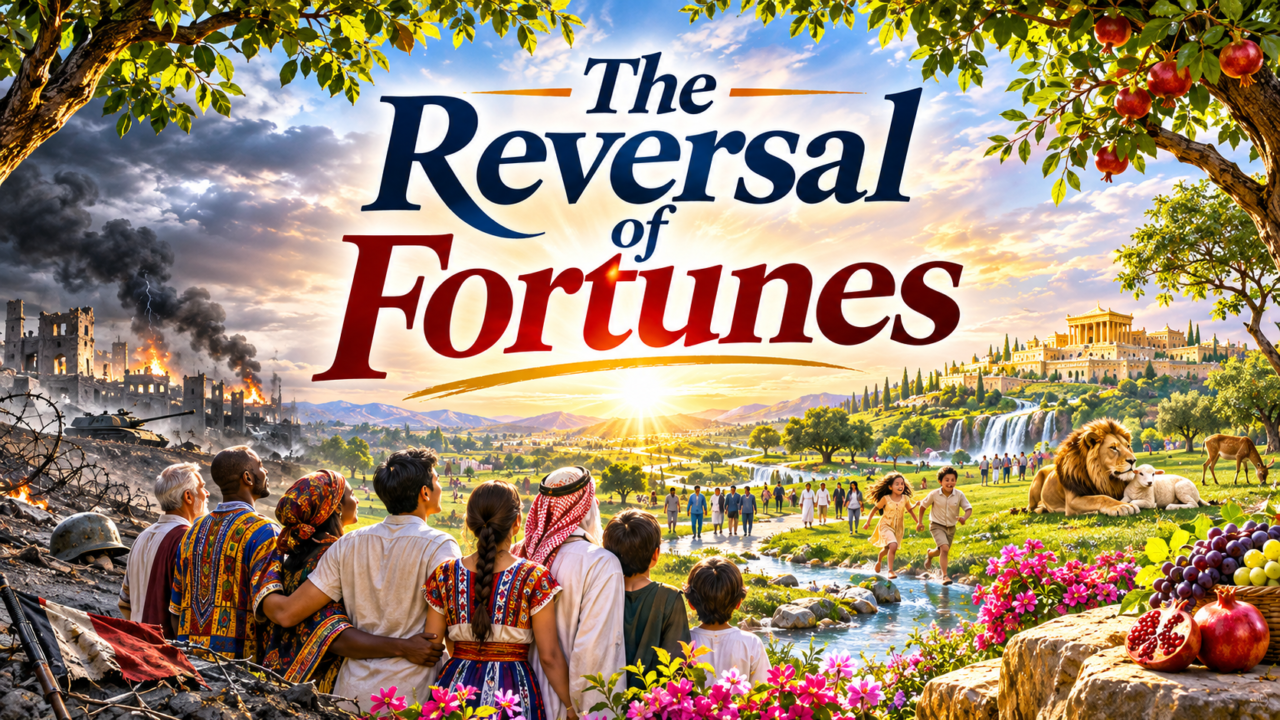
In the New Testament, Jesus’ Kingdom message—the very purpose of his mission (Luke 4:43)—was deeply rooted in these covenant promises and prophetic visions. Daniel 2:44 foretells a day when “the God of heaven will set up a kingdom that will never be destroyed.” Daniel 7:27 then shows how “the kingdom and the dominion and the greatness of the kingdoms under the whole heaven shall be given to the people of the saints of the Most High.” Notice the location: under the whole heaven! The future Kingdom of the saints concerns the government of the world, not going to heaven when you die. The same geographical and political expectation runs throughout the rest of the prophets, focusing largely on a restored city of Zion, that is, Jerusalem (Isa. 2:2–4; 11:1–9; Zech. 14:4, 9). This cannot be anywhere else but on this earth, let alone merely in your heart!
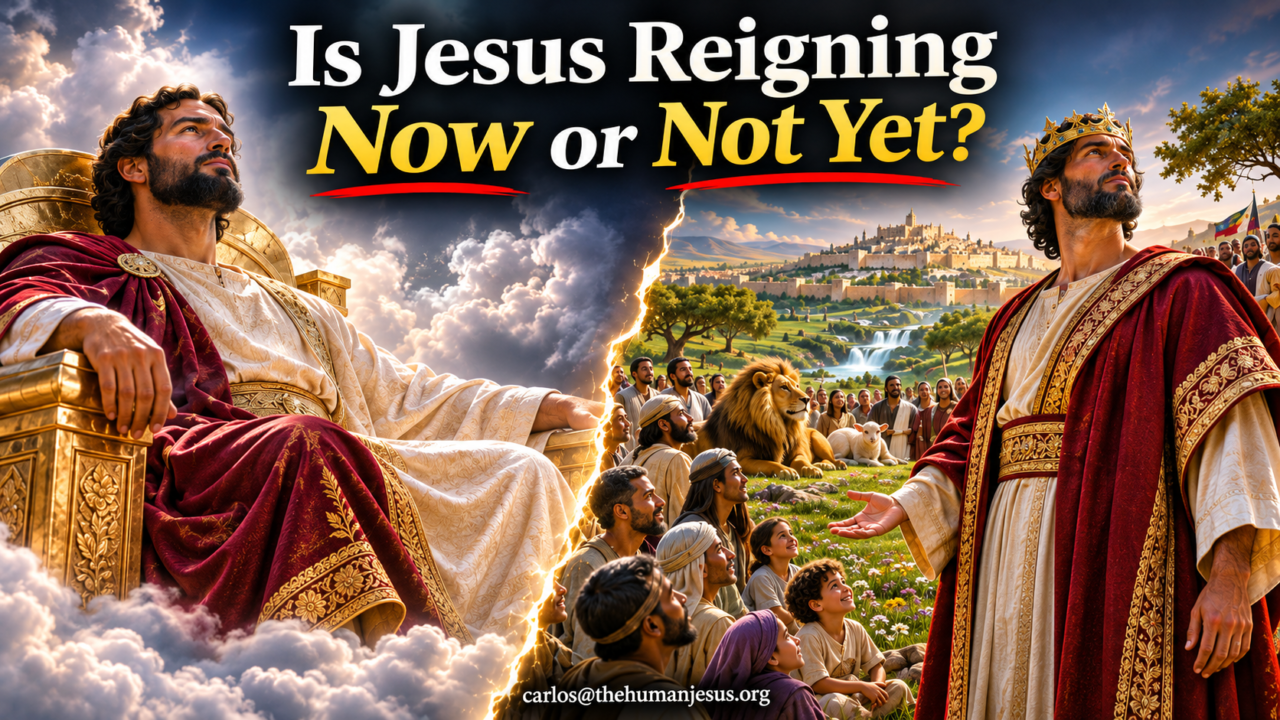
This explains why Jesus distinguished the Kingdom’s power already at work in his preaching and miracles from its future establishment at his parousia, his second coming (Matt. 12:28; 24:29–31; 25:31–34). In Luke 19:11–27, Jesus told the parable of the nobleman precisely because his listeners expected the Kingdom of God to appear immediately. Instead of correcting their expectation of an actual Kingdom, he corrected their expectation of its timing. The nobleman departs to receive the kingdom and later returns to reward his faithful servants with authority over cities in his kingdom. This is a clear reference to the kingdom promise to rule the nations from Psalm 2:8–9, later alluded to by John throughout Revelation (2:26–27; 12:5; 19:15; cf. 11:15).
In Matthew 19:28, Jesus promised the apostles that in the regeneration—the rebirth of the world—when the Son of Man sits on his glorious throne, they will sit on twelve thrones judging the twelve tribes of Israel. At his final Passover meal, he again promised them places at his table in the Kingdom and authority to judge Israel (Luke 22:28–30). These promises can only make sense within the framework of the Kingdom already defined by God in the Old Testament.
Paul taught the same thing in 1 Corinthians 6:1–4, rebuking the church for failing to recognize that the saints are destined to judge the world—even angels! This explains why earlier, in 1 Corinthians 4, he rebukes them for thinking they are already in the kingdom, ruling without the apostles. So while the ministry of Jesus and the early church demonstrated the powers of the coming Kingdom (Matt. 12:28; Acts 8:12), experiencing those powers is not the same as inheriting the Kingdom and ruling the nations with Christ (Heb. 6:5; 1 Cor. 15:50–54; Rev. 2:26–27; 5:10; 20:4–6).
This distinction is essential when we hear the prophets and Jesus say the Kingdom is near or its power is active in ministry (Matt. 12:28; Luke 11:20) and in the life of the born-again Christian (Col. 1:13; Rom. 14:17). The few present-tense references should not cancel the overwhelming future emphasis of the Kingdom promises. Nor should we redefine the Lord’s Prayer—“May your Kingdom come” (Matt. 6:10)—to mean “May your Kingdom now gradually and invisibly continue to be built and grow,” either in the church or throughout this world. Jesus taught us to pray for the coming Kingdom and to seek first the Kingdom so that we may enter into possession of it when it finally comes (Luke 12:32; 21:31; Matt. 25:34). Otherwise, why pray and preach for something you already have and that is currently spreading throughout this world?
The essential biblical principle is to define the Kingdom of God as God Himself revealed it to the Jewish patriarchs, His kings, prophets, and finally through His uniquely procreated human Son. This future, earthly Kingdom is the promised inheritance of Abraham and his spiritual descendants, the restoration of David’s throne, when the people of God will rule the nations with the Messiah (Dan. 7:18, 27; Acts 1:6–11; Rom. 8:19–23; Rev. 11:15).
Therefore, recovering biblical language about the gospel of the Kingdom means more than just using those words. We must also recover and restore its biblical meaning, rather than redefining it through post-biblical end-times theories (e.g., amillennialism, preterism, historicism, etc.) that obscure the Kingdom as the future “authority over the nations” with Christ, who “will rule them with a rod of iron, as when earthen pots are broken in pieces, even as I myself have received authority from my Father” (Rev. 2:26–27).



Signature: YLnQvfddA2MpNbRD5eQ6rDm65YEl/n6q8Gt96f/bJ8VtPGewgxlxjb6Zg1AmwmNGs2XFSBBKedheDop43SyiV0Ev/kXIuXJ0qdxgfRkRqJqE8dzr1o0sIqvqjtTKi3/CO5lJLXye1eD0uH4Uaz75R4e5omhEpD716ZGGmxqUEsTiIYp5frNuVPIs13wwezvQDf1dL6s3vFE9tOD2EwFMWlH2PfwpVNJ2WDPTJiCWoPs92OZ8ndCk1YbQs+a5xYQm/Cb1IRJB/9xxKcMvbrikqns7yK9ki7DmUxwOrMxDA1TzQqu6eKCq9dMAzCyyaimKXN6vDPA2QTSQSHcs2/XzD24gheKgmbbq5/lCmUf1RWBL1xtL71kYB+JXPlroLzvx4aysGOg1rd4/I4liBNjVIfhrmMKX1TeSK3nDJGqHw4cS+l7vSGzRkA9Qf+Mx8Ql1XwonDFYpaYz5M5ZdYy/j7Hb9iLQuqNLycln1UUQV27QLgkrsKnPnhgFO9X18Zbohbq4T5mt7IEgE9nfe5HEEX7ABx9QW5+c37Gb+tg+/1CZ4cx51nbLiZduq9q7NqKUtX9ypyg2Ci2FZvx8qQULni99LwpB2vcnzta8Dg3AyRYFm986mQbZRmw8YESg+f+12dMb7Nj5BaUe9YmPRTbmatiX7IbjXJzaz1HdMblGtxJwt9/eg8IC7riANPVpzdrKssQH67X/dvrzfPPKO8ZAjzBB0d6sTKZu7UnauBWWqfHEmfRWjeeWcIbZqtY0Kf9G64uWjPGaMGu5wF09EWZ9T5WiZKtwykW9Jld/H/lH2XJqoeDrGpe9tNIIS3dXWB9Xq/8a26h1fzWaRgCIiCaw6kArCvSuhZVfJHdMRgT1zacKyIOb37NYcsGzlFDKjsaW0D51opdJPmssaIywaDn/tmnuIJITlav8EVr5rL5zsoxeFlJX4wN0DRcc8Ghsq8gct